


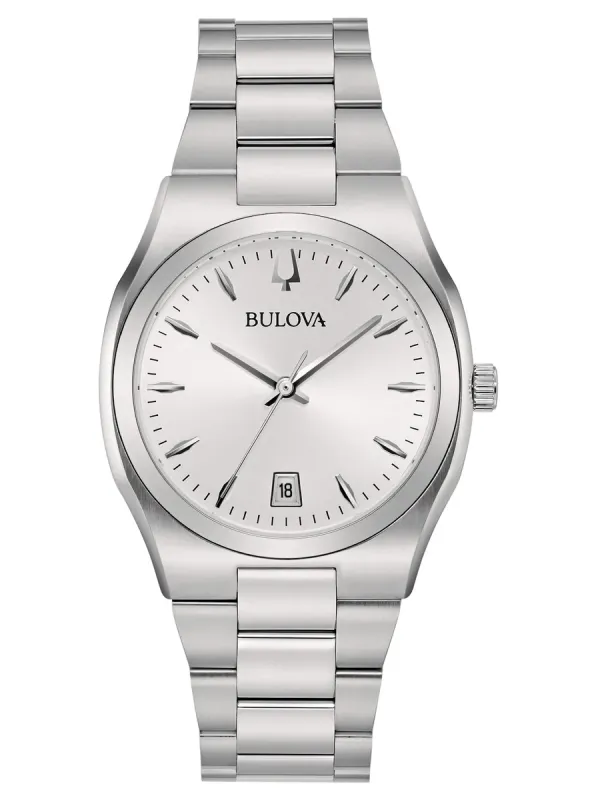
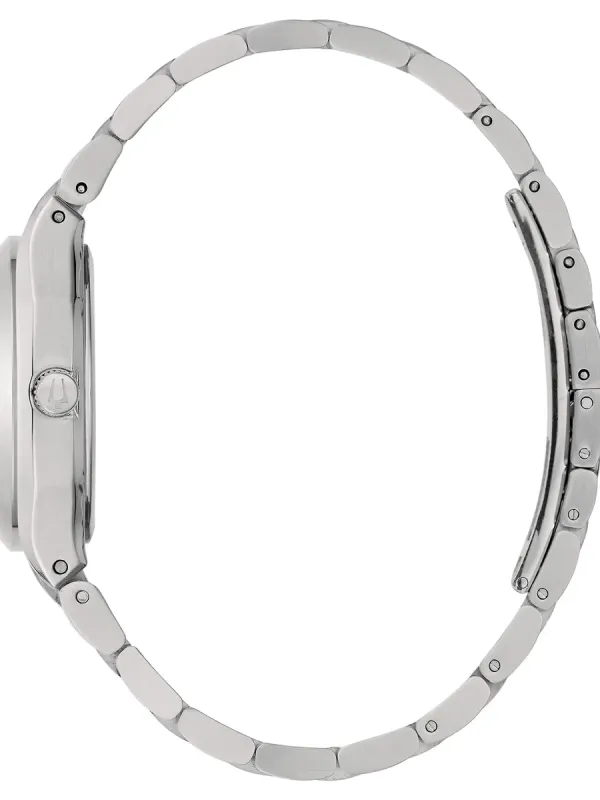
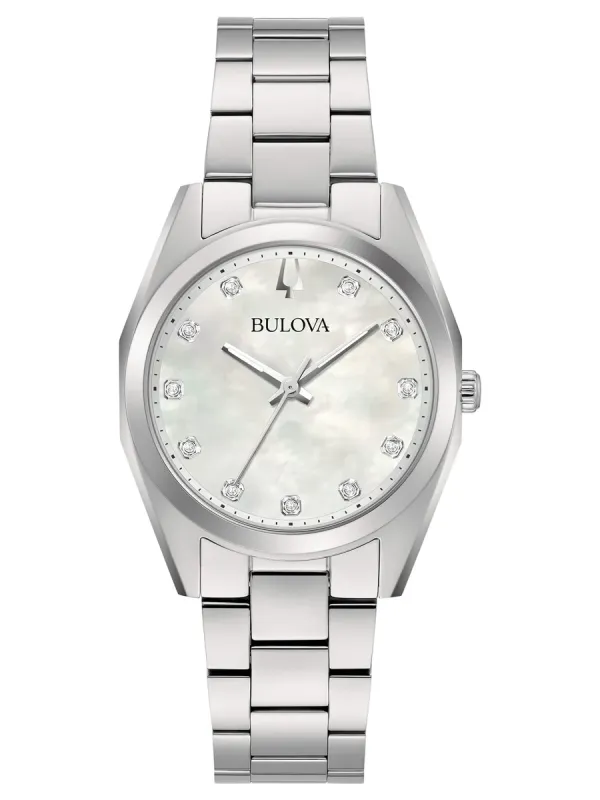
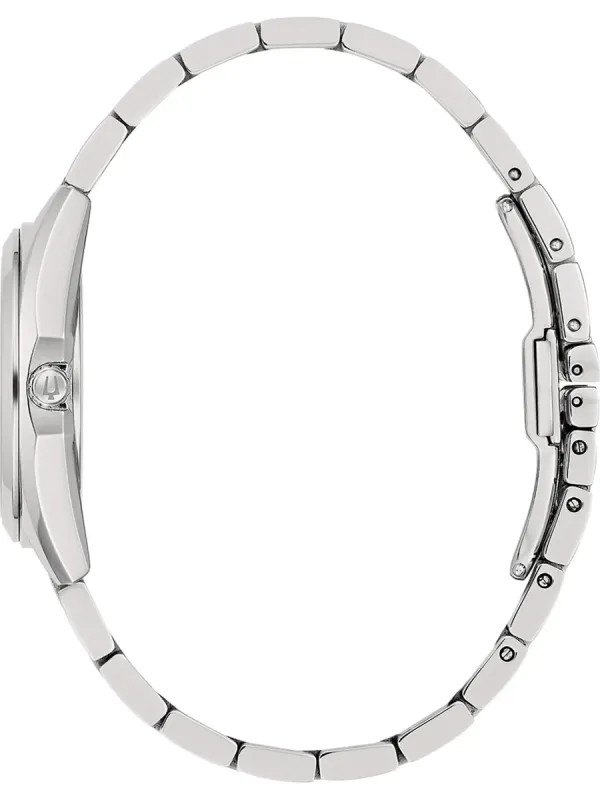
Bulova — American precision since 1875
Nearly 150 years of watchmaking history made in the USA: from Joseph Bulova's jewelry shop in New York to the space race, by way of the Accutron's electronic revolution. A brand that has measured time both on Earth and on the Moon.

The beginnings of an American legend
In 1875, Joseph Bulova opened a small jewelry shop on Maiden Lane, in the heart of Manhattan. What began as a business selling imported pocket watches would, within just a few decades, become the leading manufacturer in the United States, driven by an obsession with precision that would mark every product the brand made.
- 1875 — Founded by Joseph Bulova in New York
- 1911 — First fully mechanized watch factory in the US
- 1919 — First men's wristwatch advertised in America
- 1926 — "At the tone, it's Bulova Watch Time": the official time signal of American radio
Accutron: the electronic revolution
In 1960, Bulova unveiled the Accutron, the world's first electronic watch. Instead of a mechanical balance wheel, its heart was a tuning fork vibrating at 360 cycles per second, guaranteeing an accuracy of one minute per month — a technological leap so significant that NASA chose it for its space missions.
Accutron movements equipped the instrument panels of the Apollo missions, and a Bulova chronograph owned by astronaut David Scott ended up being, in 1971, the only personal watch to have walked on the lunar surface.


Precisionist: quartz taken to the extreme
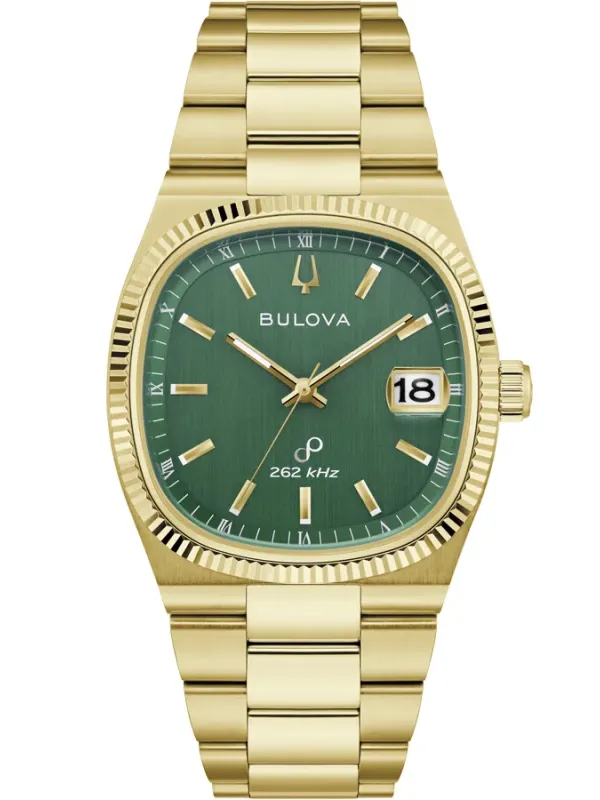
Bulova kept pushing the limits of precision with Precisionist, a quartz movement with a three-pronged crystal that vibrates at 262 kHz — eight times faster than a conventional quartz. The result: a deviation of just 10 seconds per year and a seconds hand that glides smoothly without the characteristic "tick-tock."
- Triple-pronged quartz crystal at 262 kHz
- Precision of ±10 seconds per year
- Curv: the world's first curved chronograph movement (2016)
A legacy that lives on
Today Bulova combines that legacy of innovation with collections designed for every lifestyle: from rugged dive watches to dress chronographs, never losing sight of the obsession with precision that defined the brand from day one.

The Bulova collections

Accutron
The collection that lends its name to the original 1960 electronic watch, reinterpreted today with vintage finishes and high-precision movements.

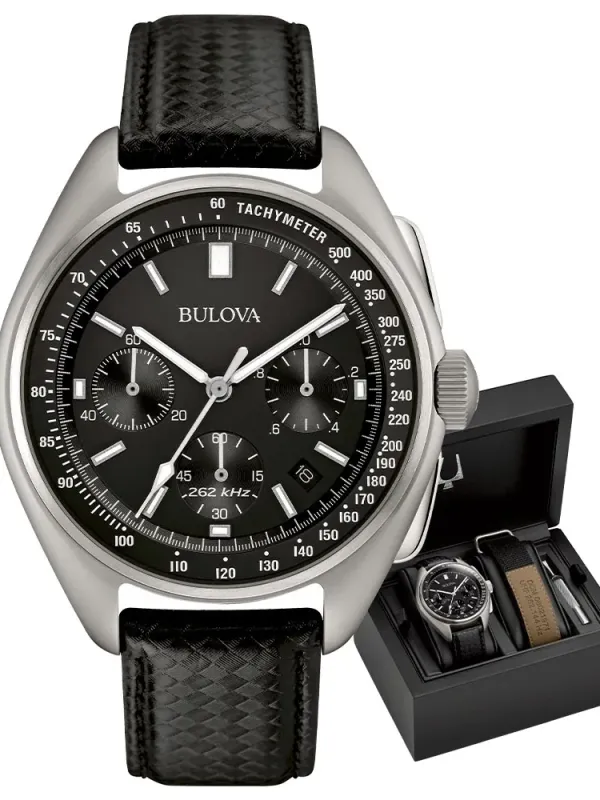
Lunar Pilot Chronograph
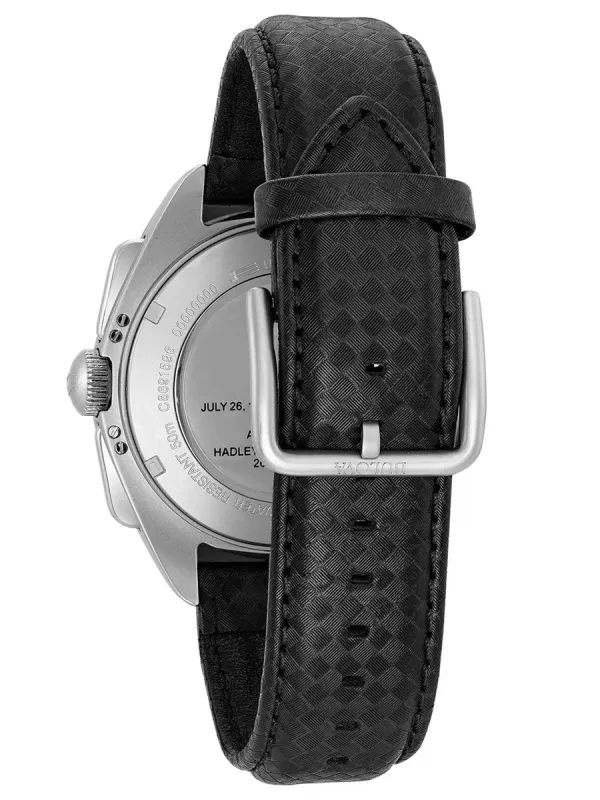
A faithful replica of the chronograph astronaut David Scott wore on the Moon during the Apollo 15 mission — the only personal watch to have set foot on the lunar surface.

Precisionist
Quartz taken to the extreme: 262 kHz of vibration and a seconds hand that glides continuously, without ticks.

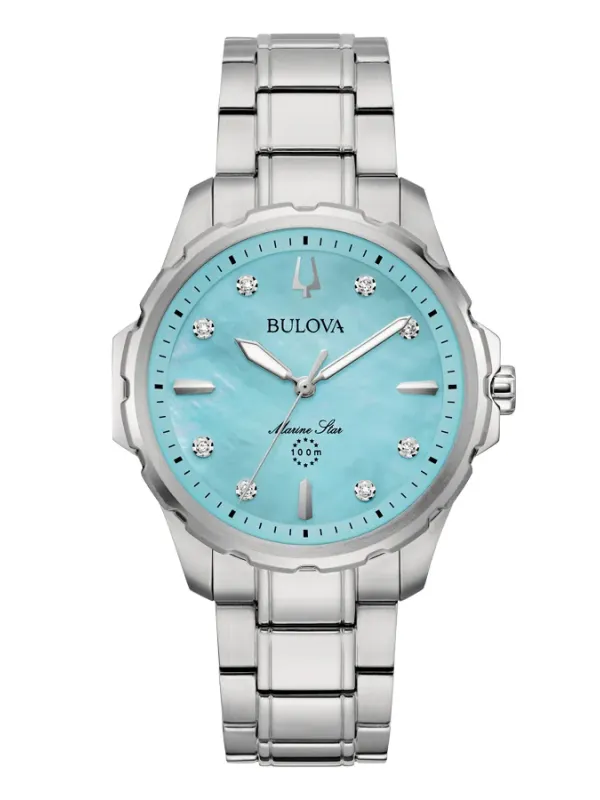
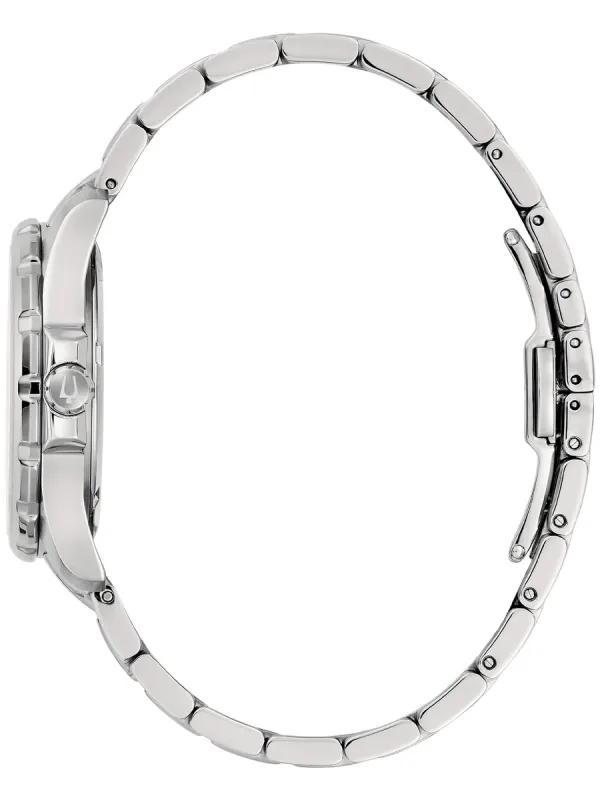
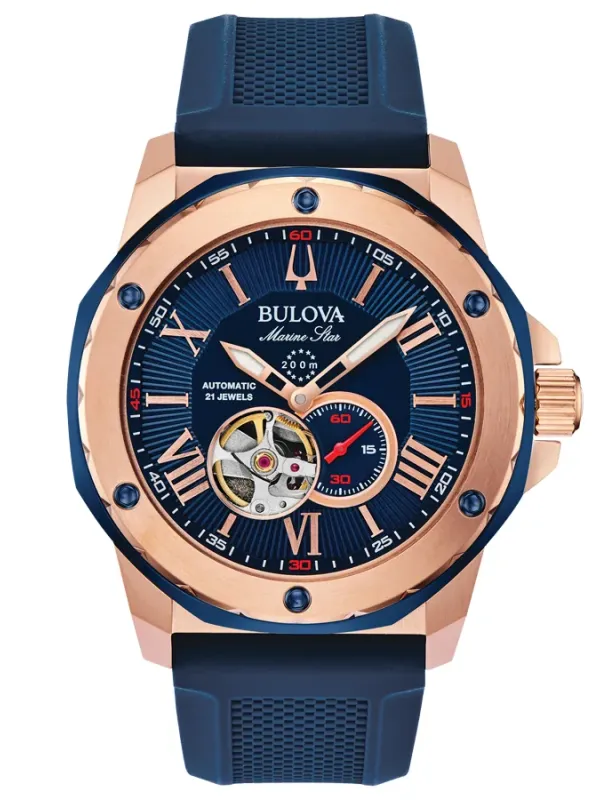
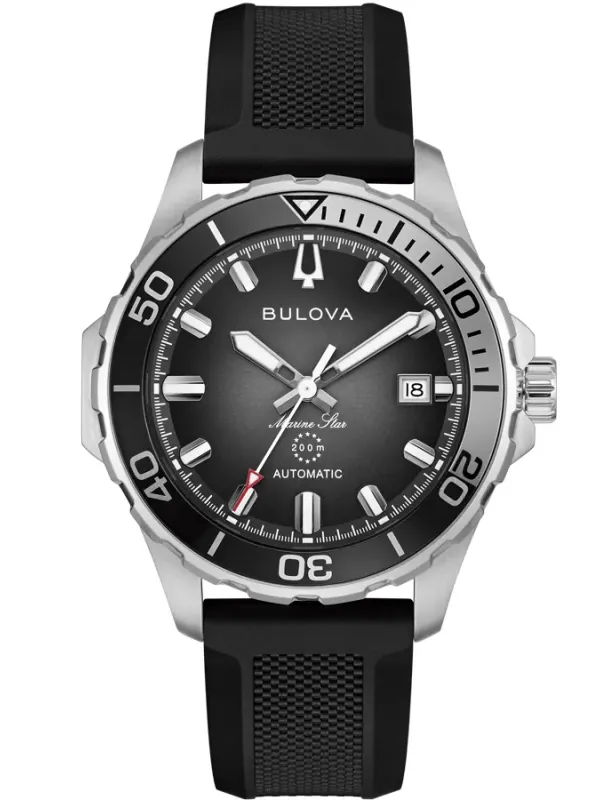
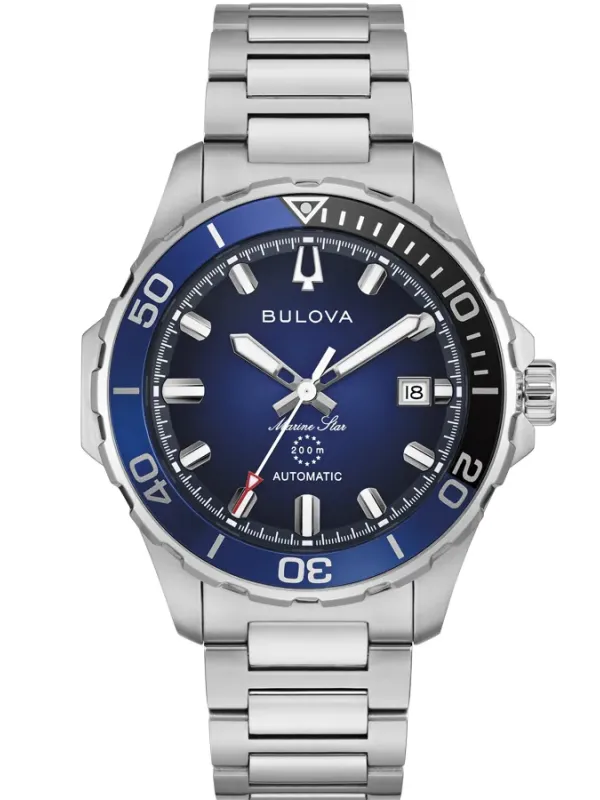
Marine Star
Bulova's sports collection: water resistance, rugged dials, and a design made for an active daily life.

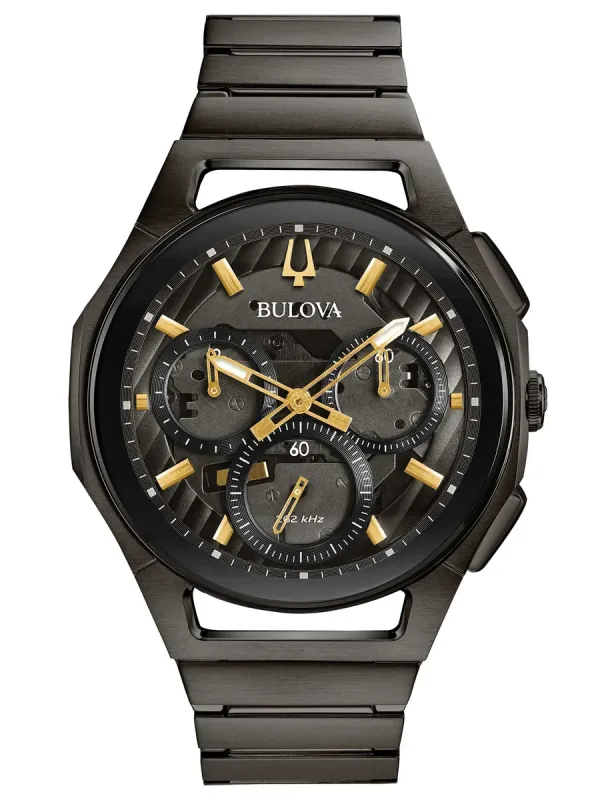
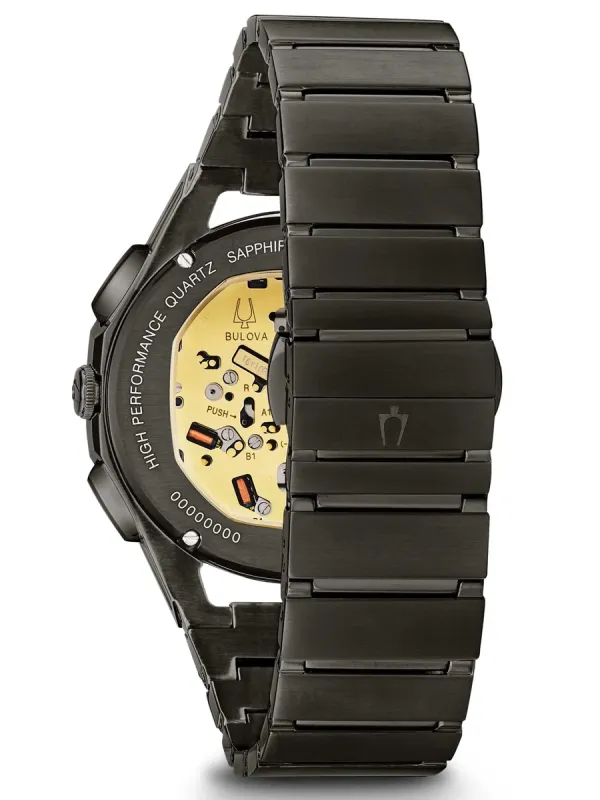
Curv
The world's first curved chronograph movement, designed to fit the wrist with an equally curved case.

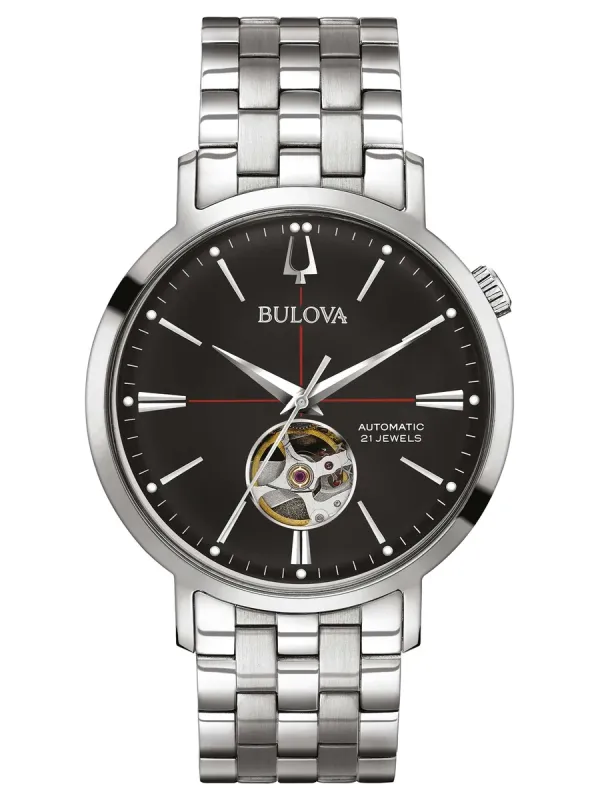
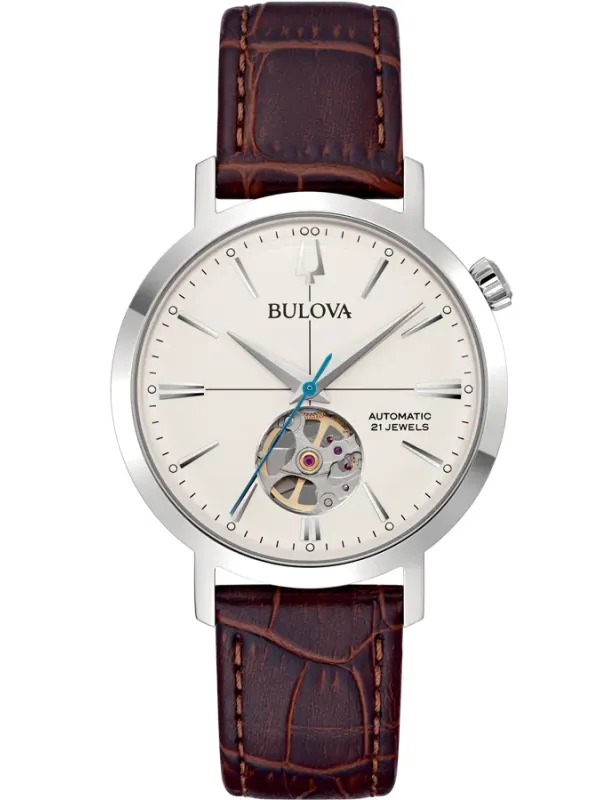
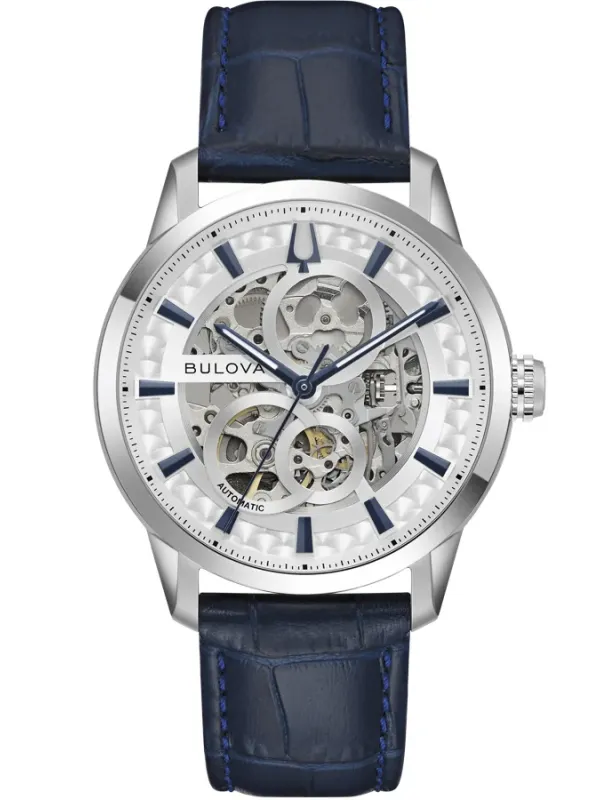
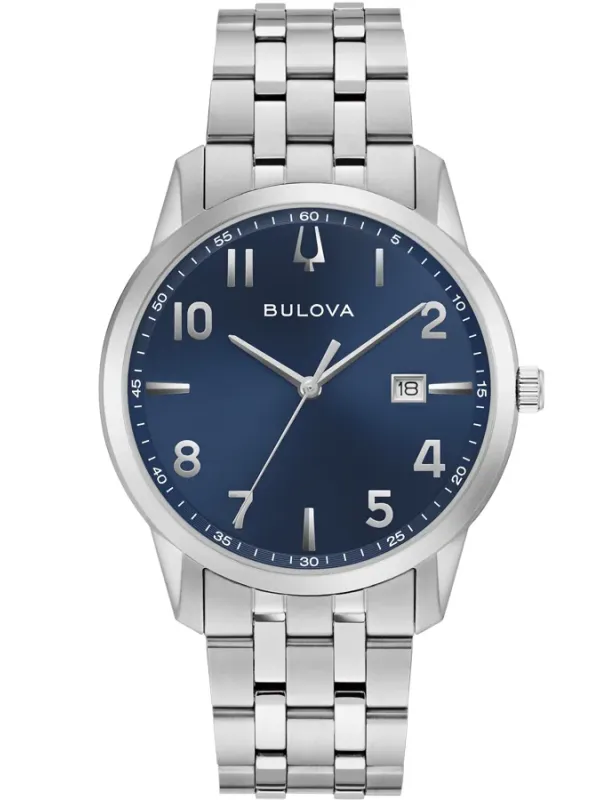
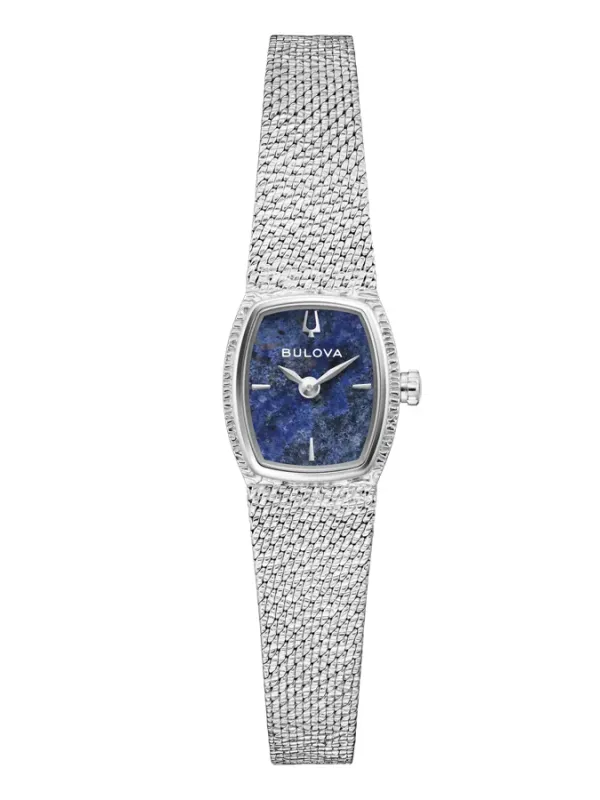
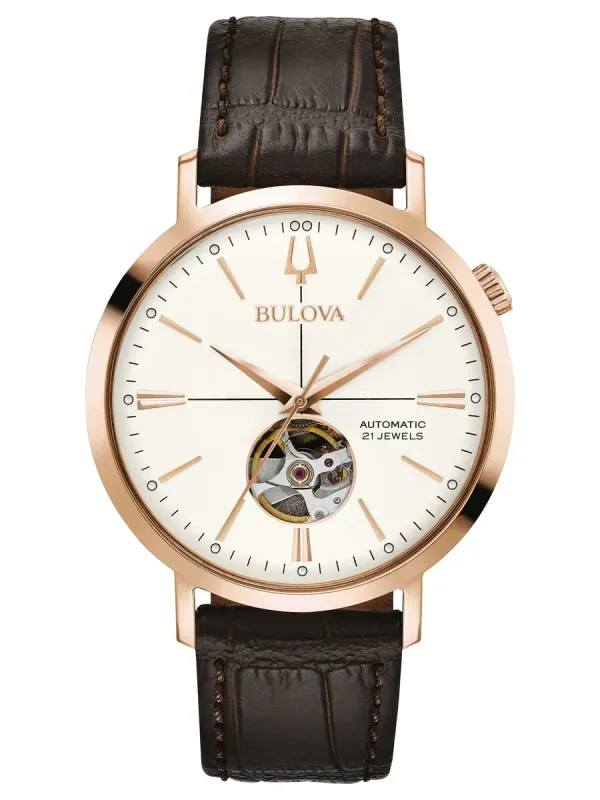
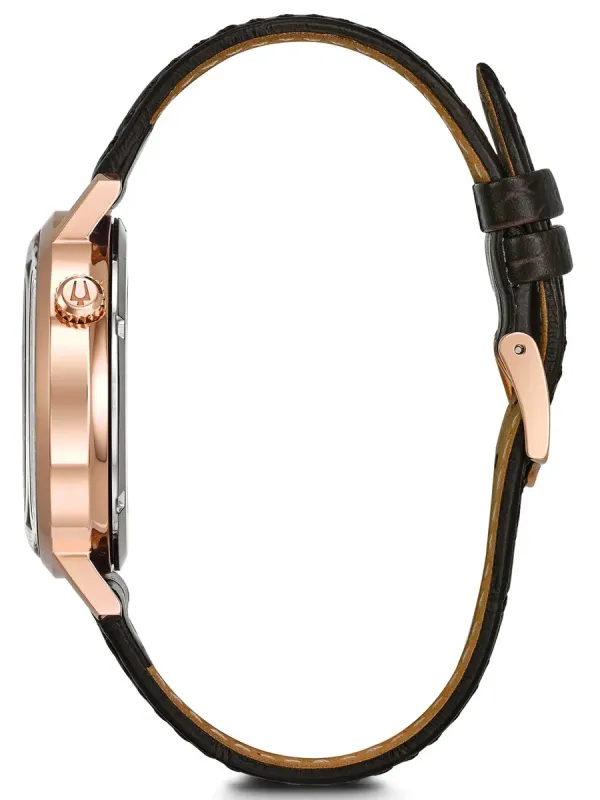
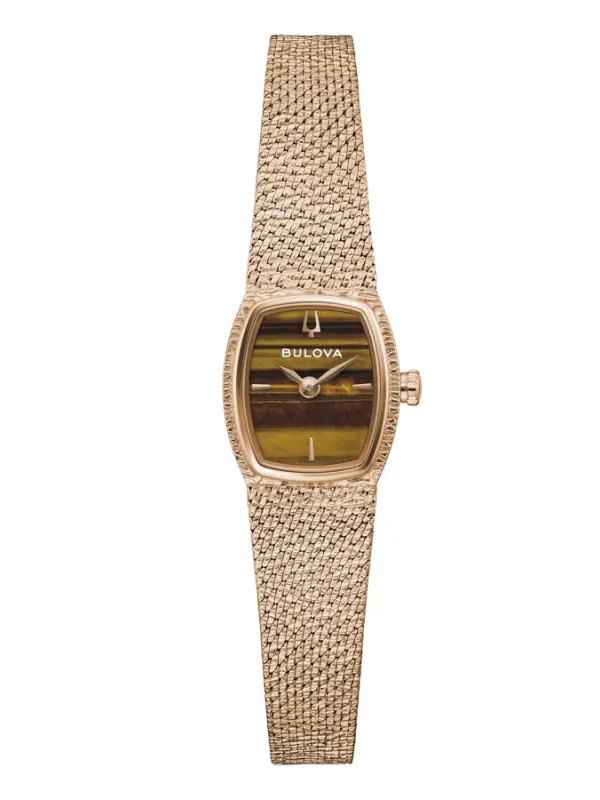
Classic
Timeless designs that revive the elegance of mid-century American watchmaking.


Nearly a century and a half of precision
From its jewelry shop on Maiden Lane to the surface of the Moon, Bulova has built its reputation on a very simple idea: time should be measured accurately, without exceptions.
149
Years of history
1960
The Accutron is born
1971
Bulova walks on the Moon
262 kHz
Precisionist accuracy
Timeline: 149 years of American precision
Joseph Bulova founds his first jewelry shop on Maiden Lane, New York, planting the seed of what would become a giant of American watchmaking.
Bulova opens the country's first fully mechanized watch manufacturing plant, standardizing production with interchangeable parts.
The radio ad "At the tone, it's Bulova Watch Time" becomes the first paid commercial spot on American radio, and Bulova goes on to set the official time in millions of homes.
Bulova unveils the Accutron, the world's first electronic watch, with a tuning fork vibrating at 360 Hz instead of a traditional mechanical balance wheel.
Accutron movements equip the instrument panels of the Apollo missions, and in 1971 astronaut David Scott wears his personal Bulova chronograph on the lunar surface during the Apollo 15 mission.
Bulova launches Precisionist, with a triple-pronged quartz crystal at 262 kHz that reduces deviation to just 10 seconds per year.
Bulova unveils Curv, the world's first curved chronograph movement, designed for cases that follow the curve of the wrist.
Bulova continues to combine its legacy of innovation with collections for every lifestyle, from adventure to classic elegance.
