


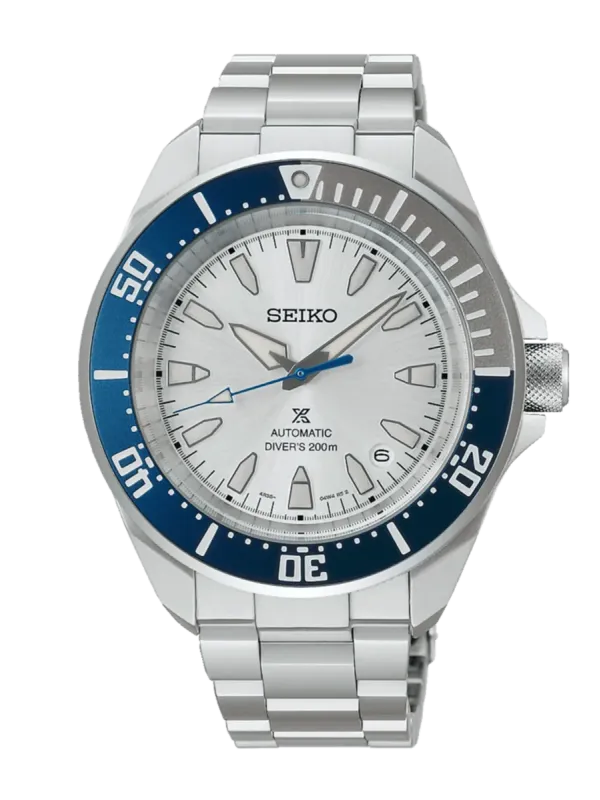
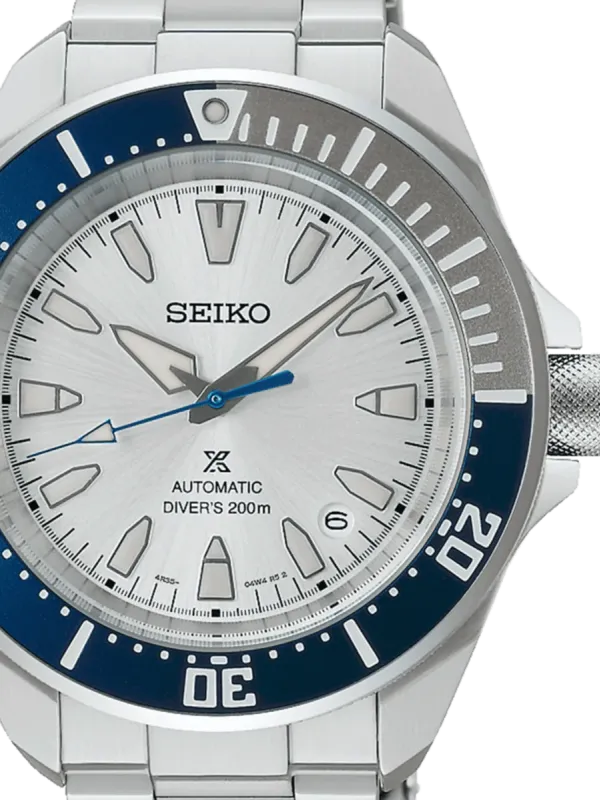
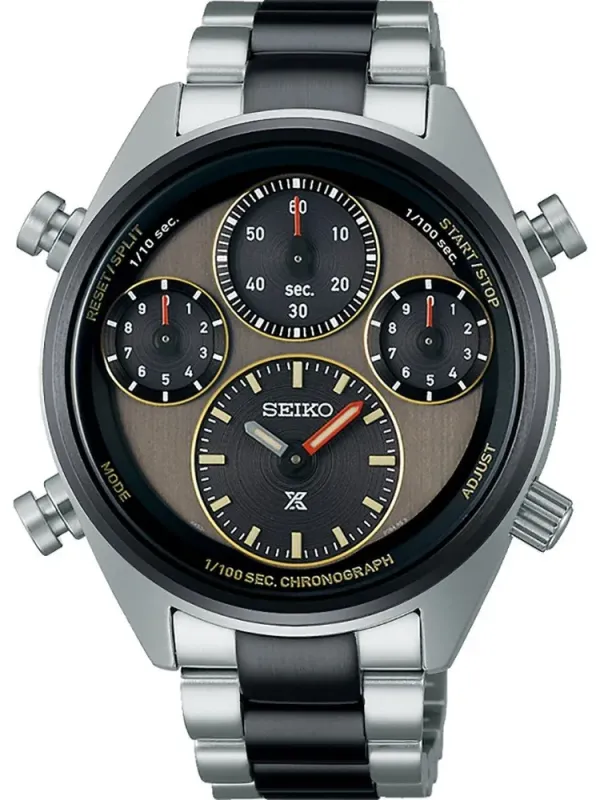
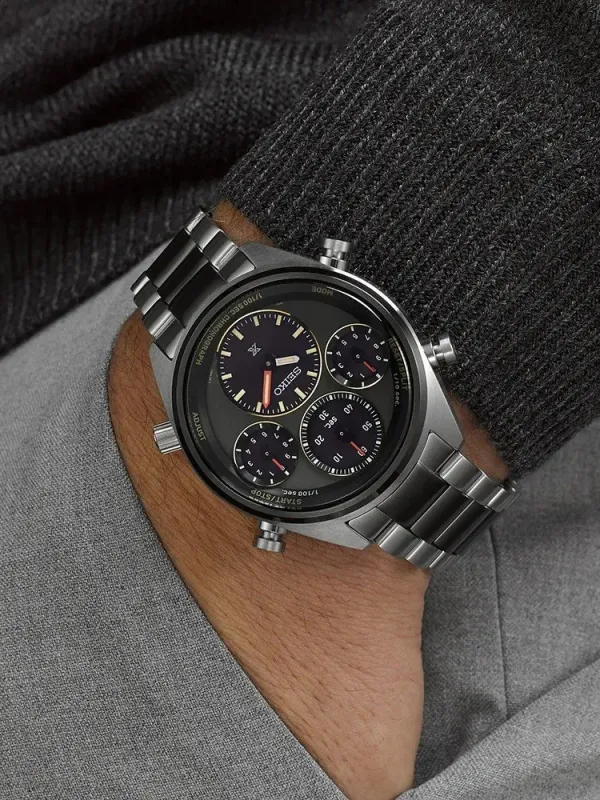
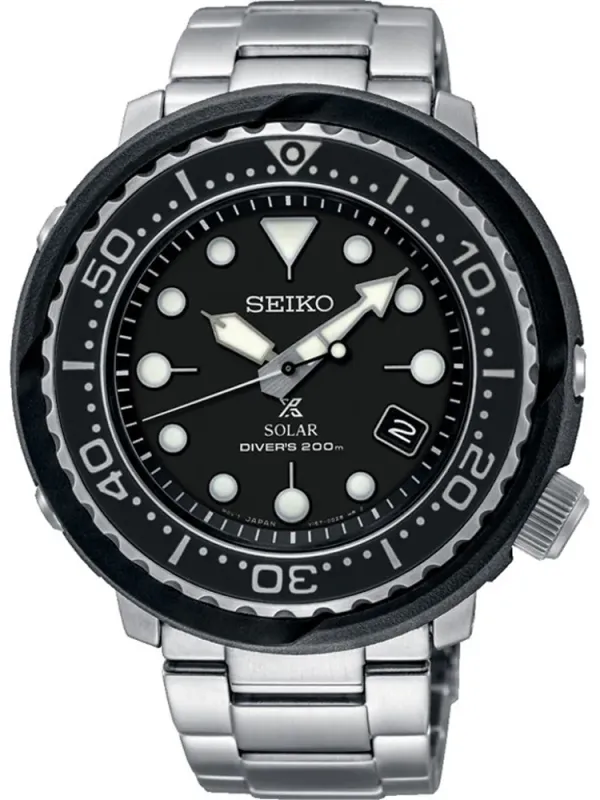
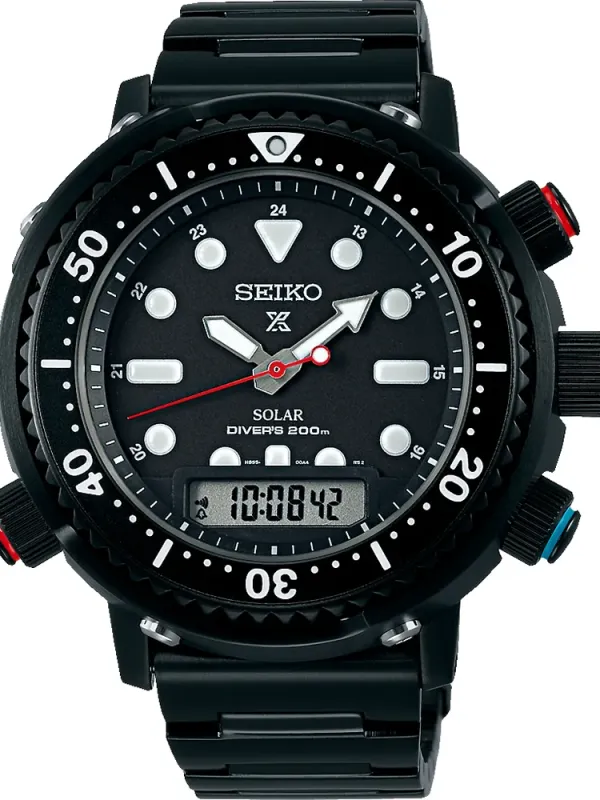
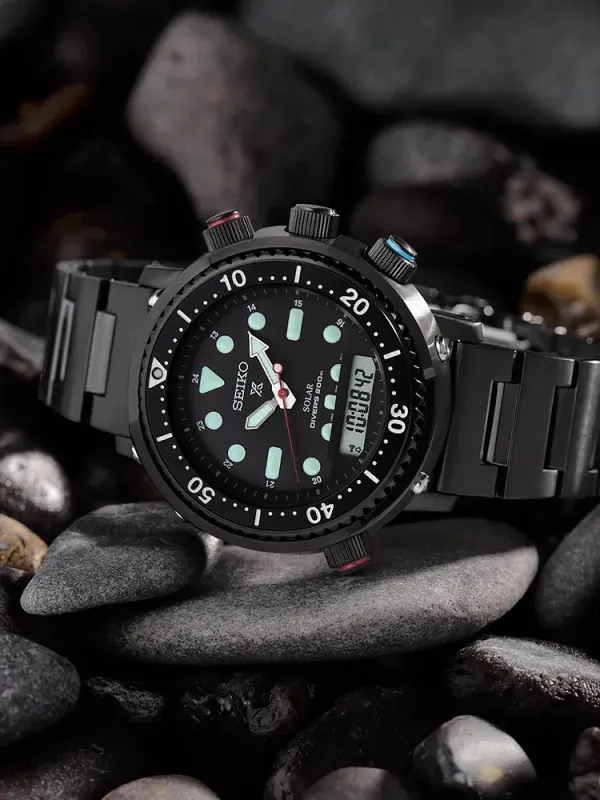
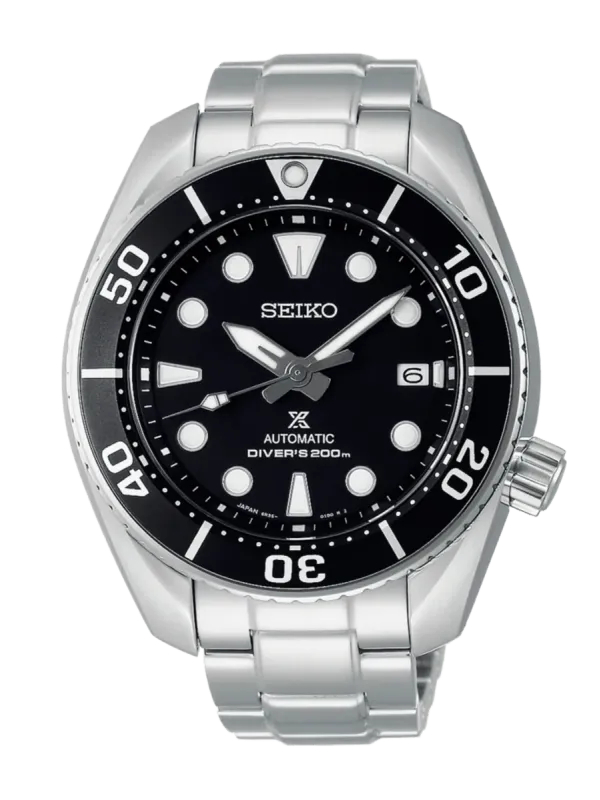
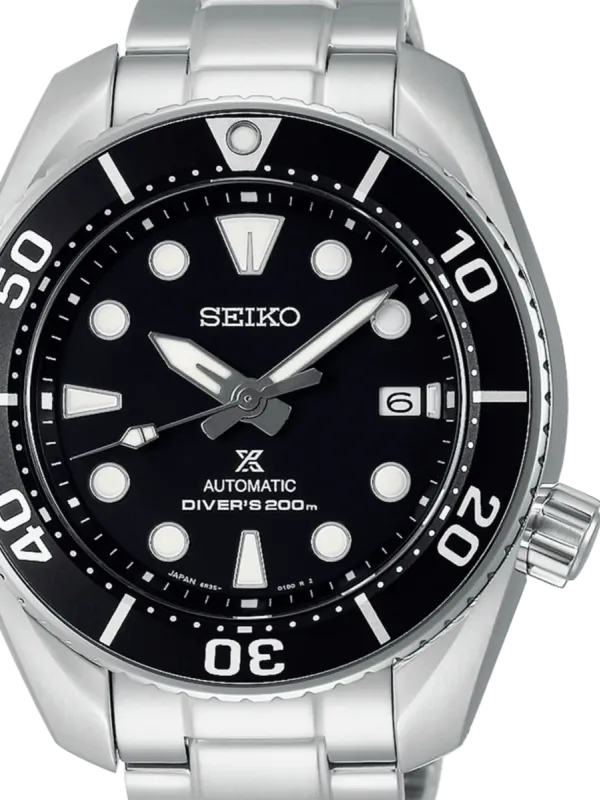
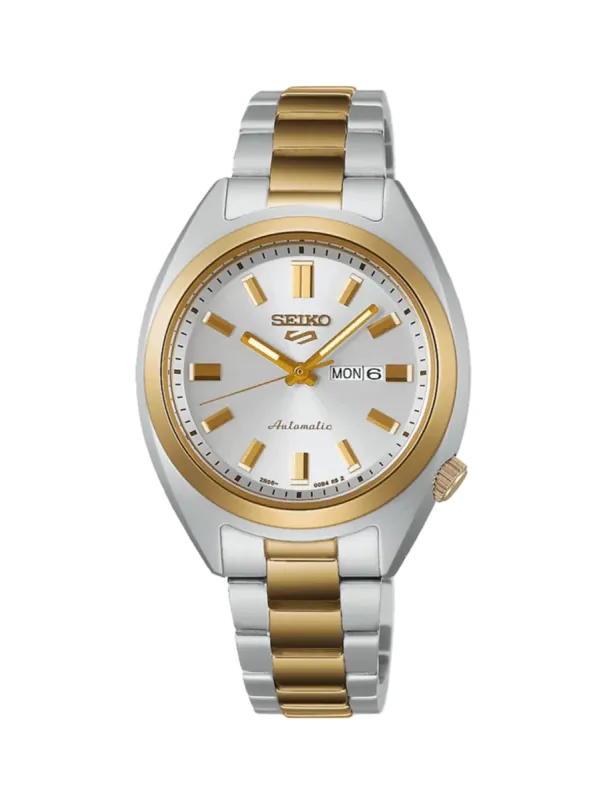

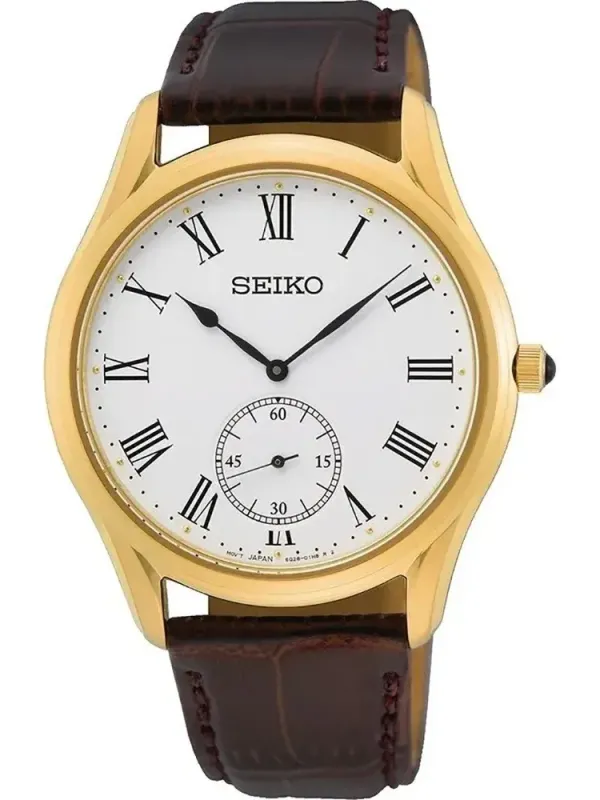
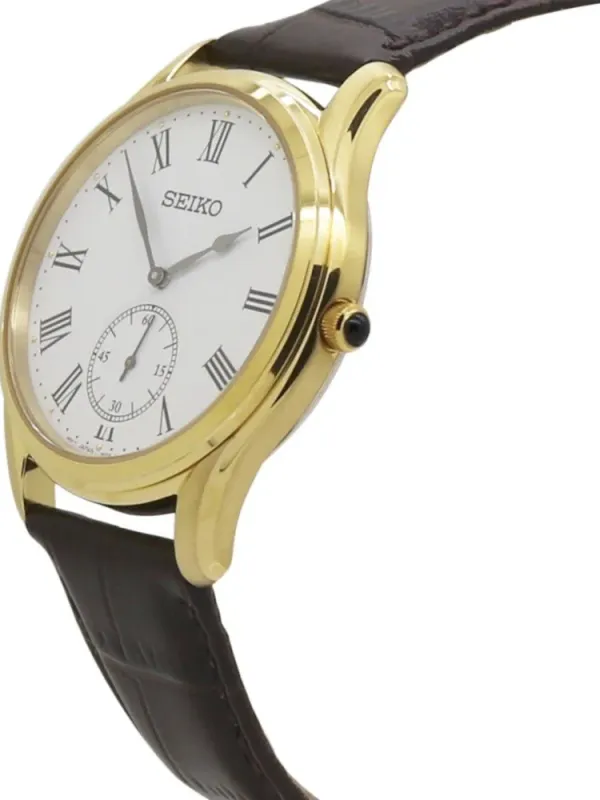
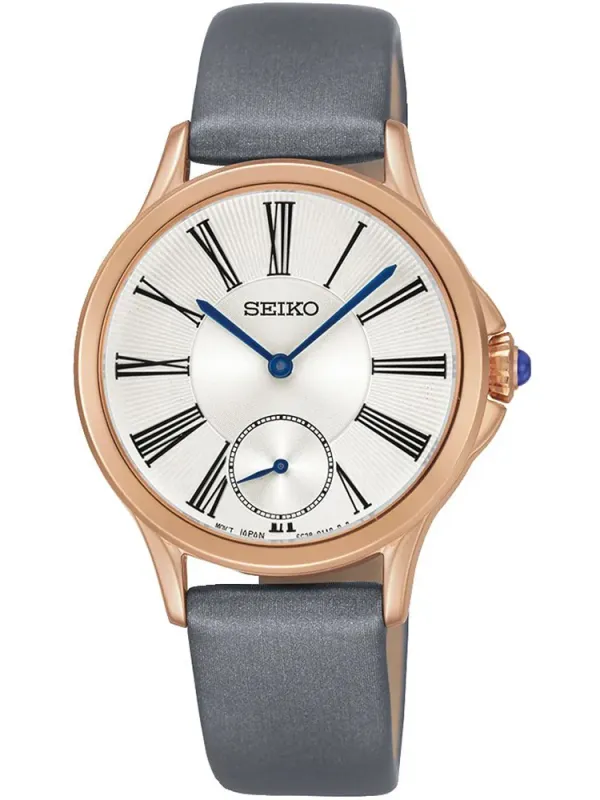
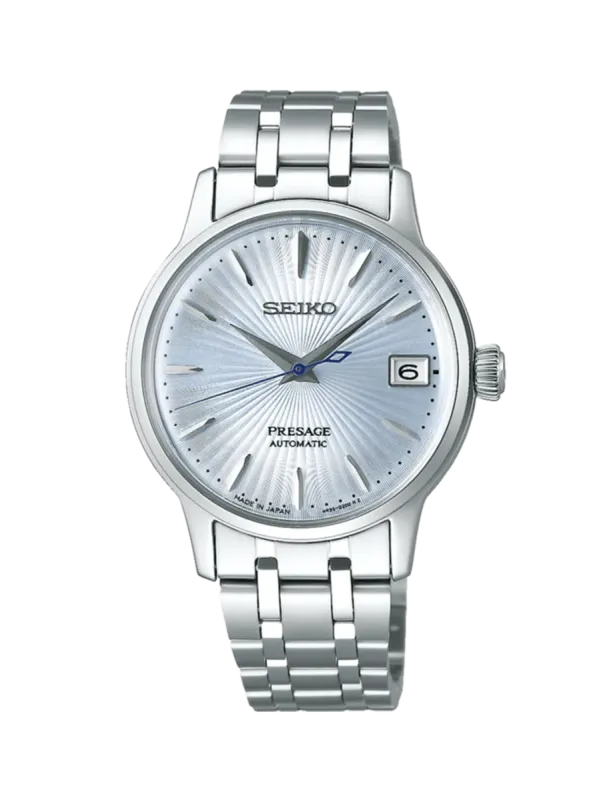
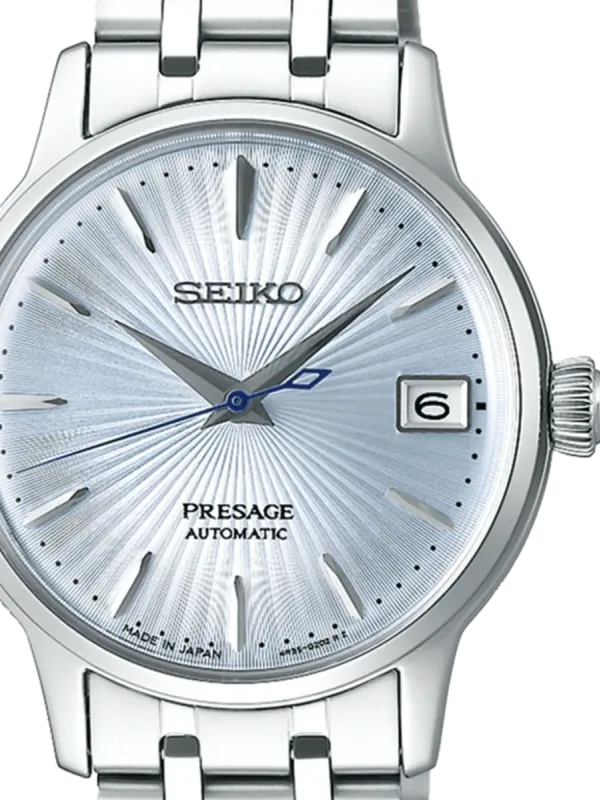
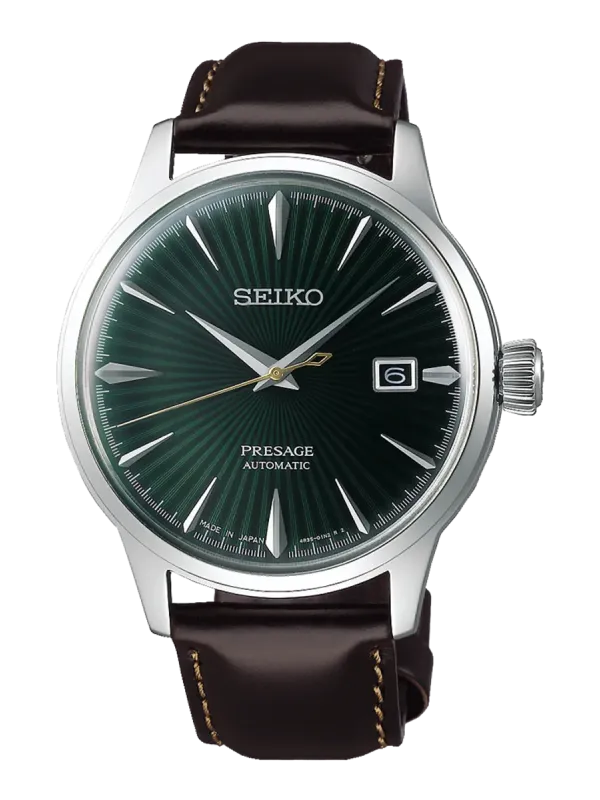
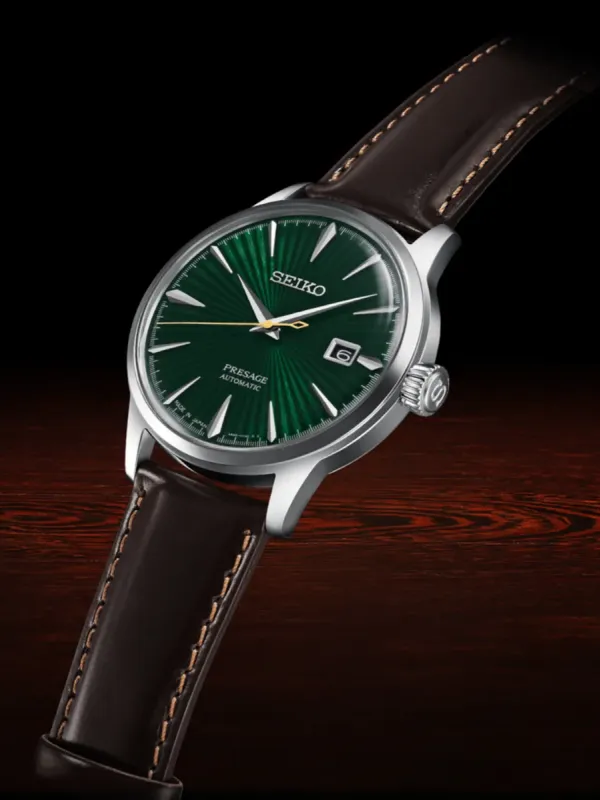
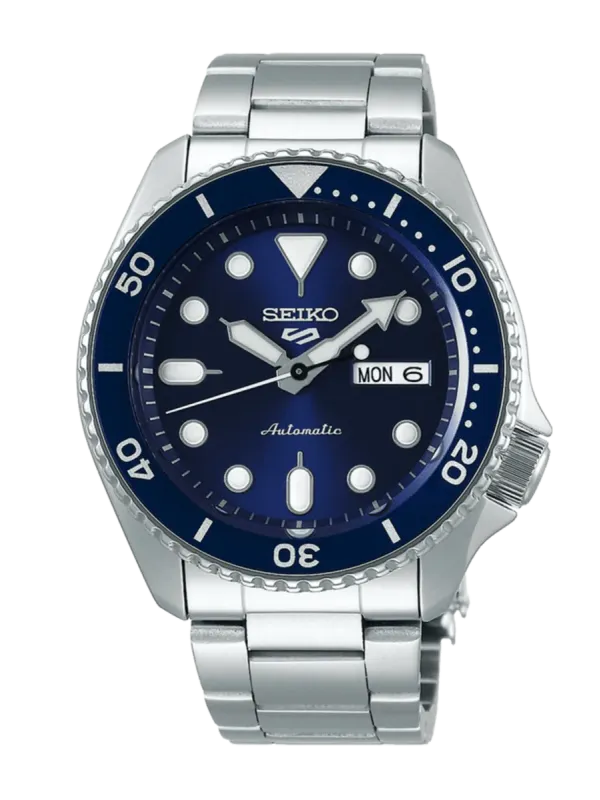
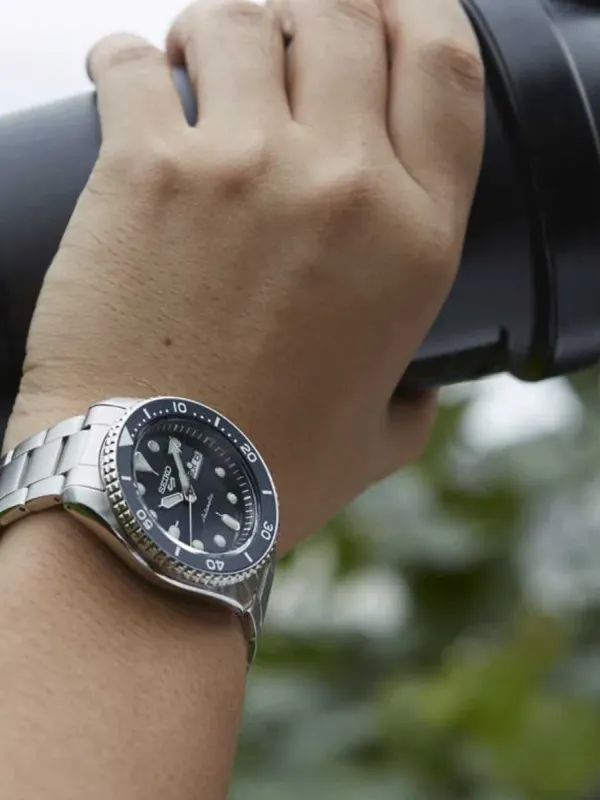
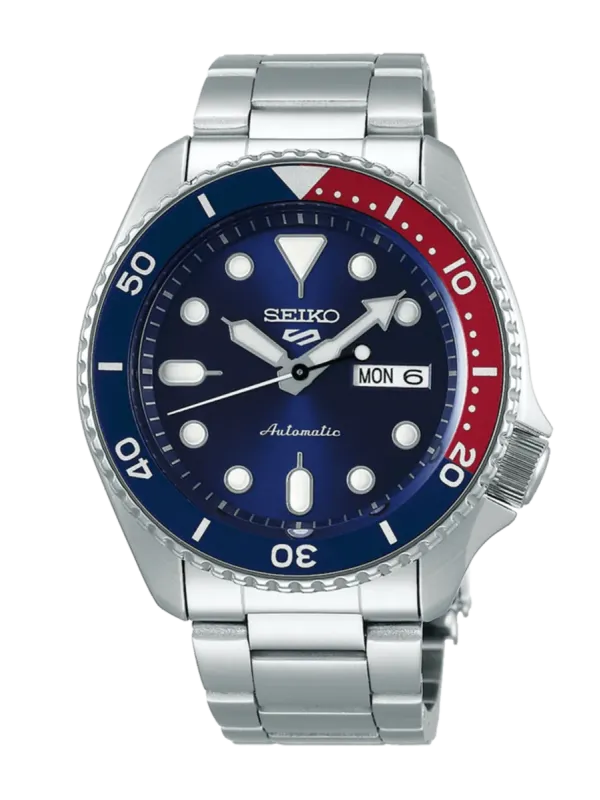
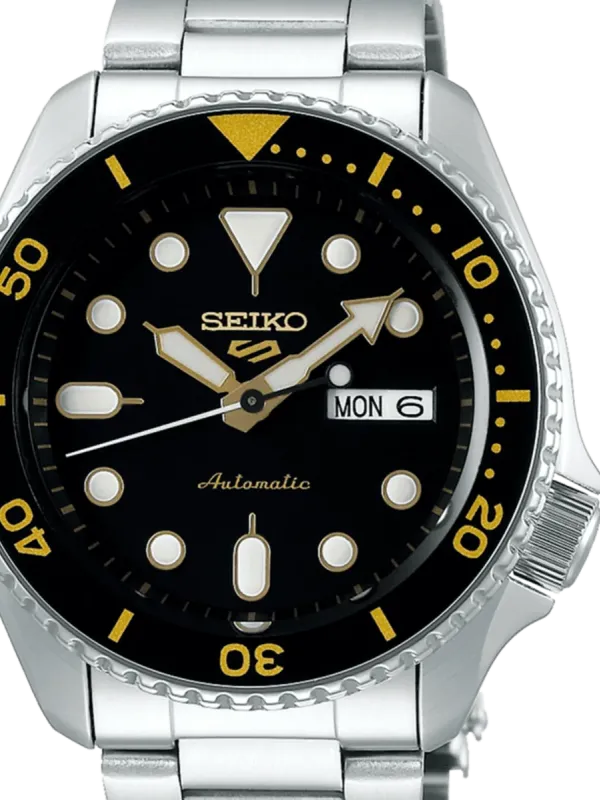
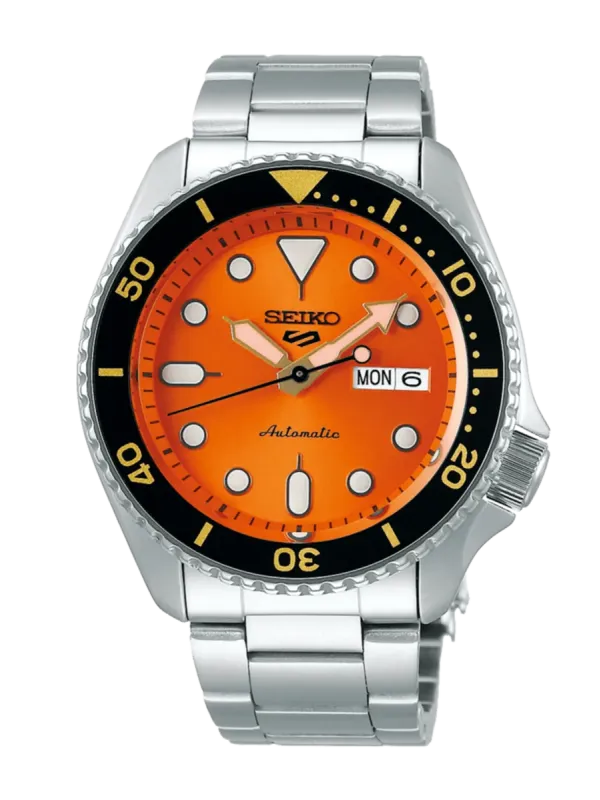
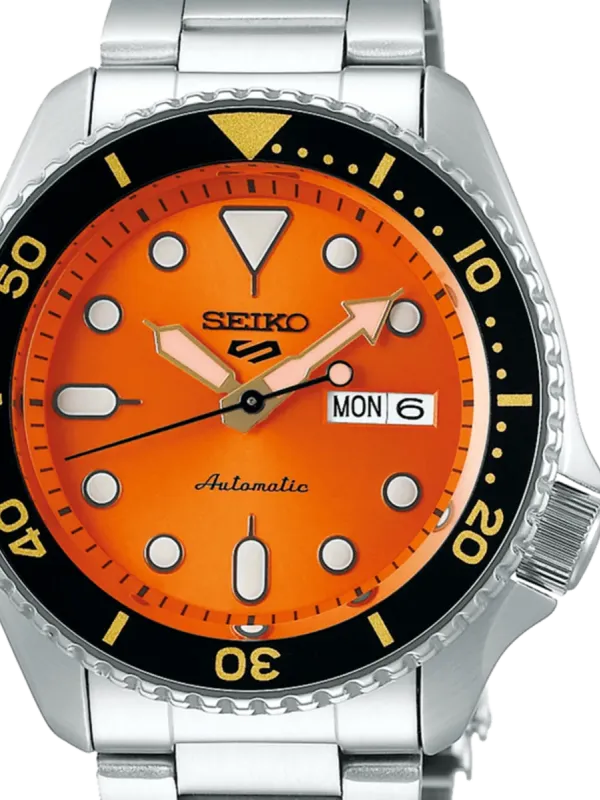
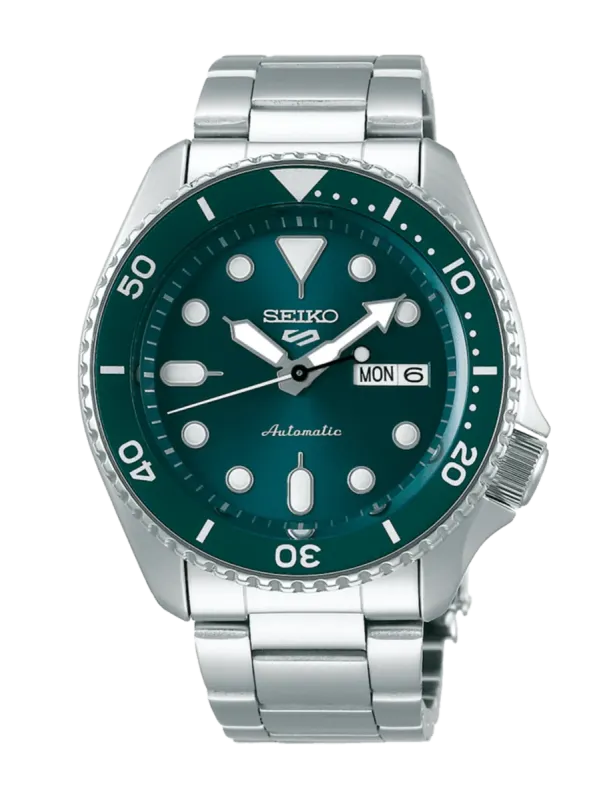
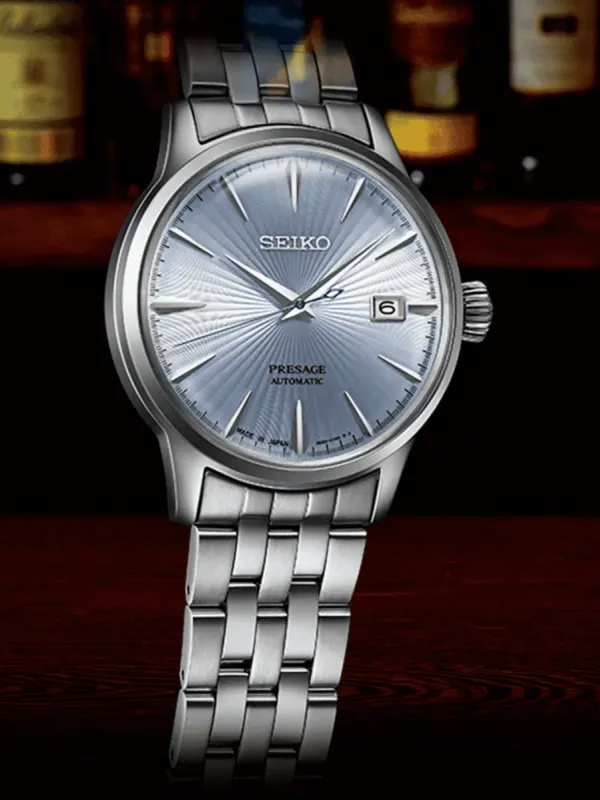
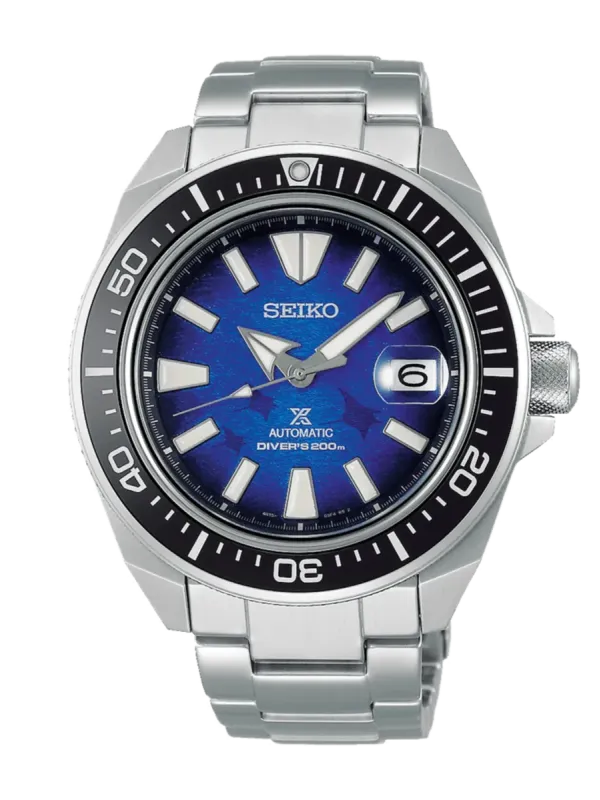
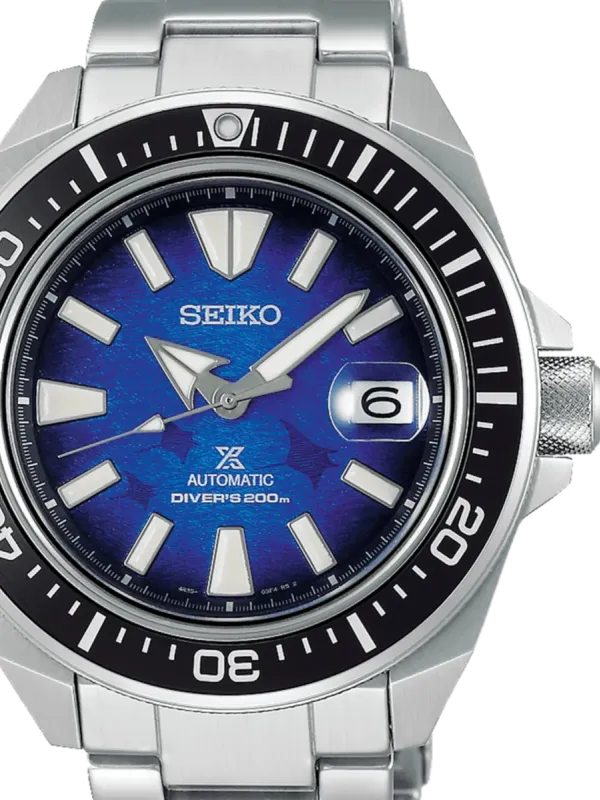
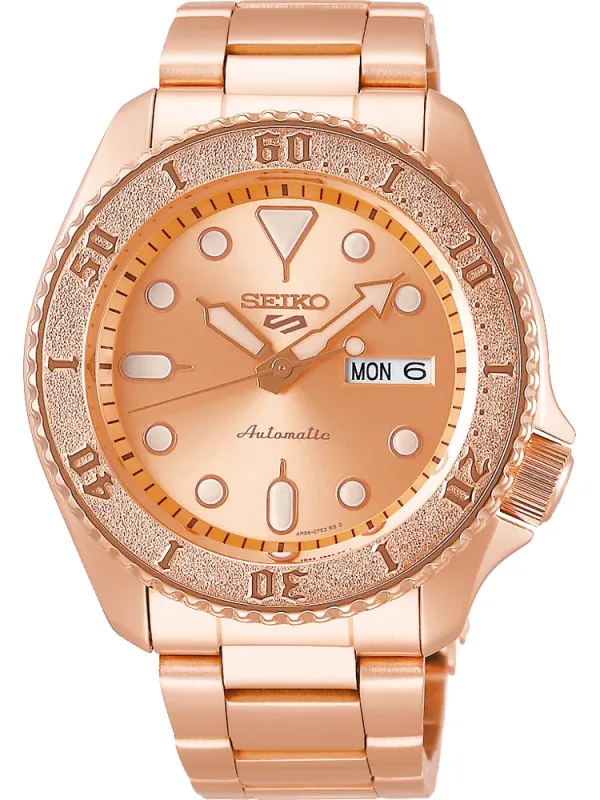

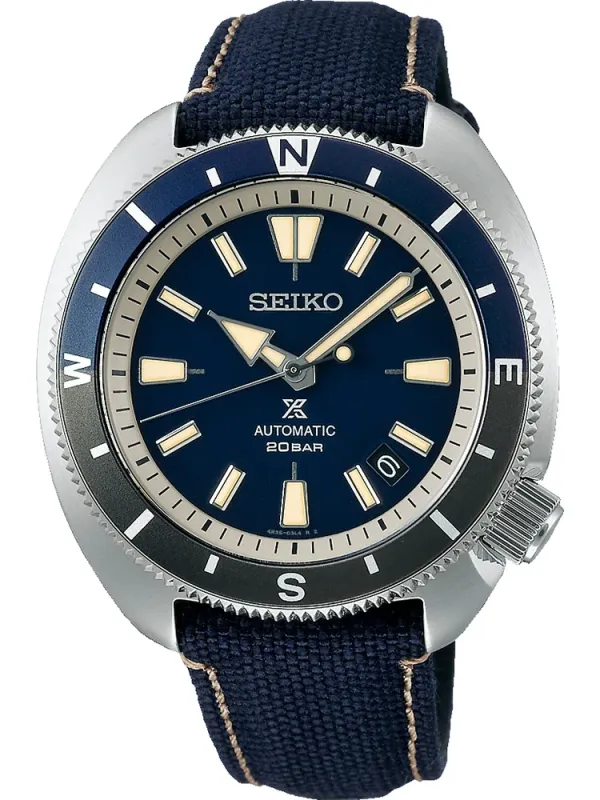
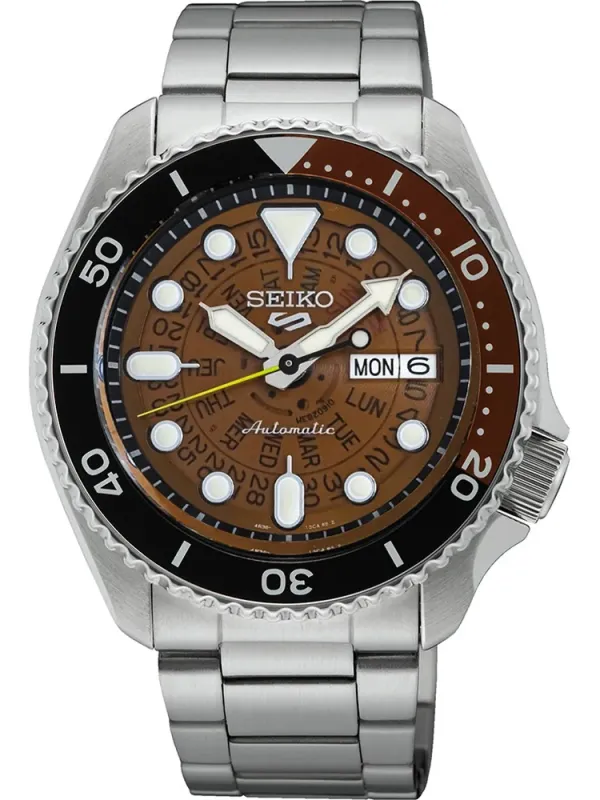
Seiko — The excellence of Japanese time
A journey through more than a century of watchmaking innovation where precision meets craftsmanship. From modest beginnings in Tokyo to revolutionizing the global industry with technologies that redefined how we measure time.

The foundations of Japanese precision
In 1881, a 21-year-old visionary named Kintaro Hattori opened a watch repair and sales shop in the heart of Tokyo. What began as a modest establishment in the Ginza district would become the epicenter of a watchmaking revolution that would challenge Swiss dominance and set new standards of excellence.
- 1881 — Founded by Kintaro Hattori
- 1892 — Establishment of the Seikosha factory
- 1913 — First Japanese wristwatch, the "Laurel"
- 1924 — Birth of the "Seiko" brand
Technological revolution: from quartz to Spring Drive
Seiko didn't just follow trends — it created them. In 1969, the brand stunned the world with the Astron, the planet's first commercial quartz watch, sparking the "Quartz Revolution" that would forever transform the global watch industry.
Innovation continued with the launch of the Kinetic in 1988, combining quartz precision with self-generated power, and culminated with the Spring Drive in 1999, a unique movement that unites mechanical energy with precision electronic regulation.


The art of micro-engineering
Seiko masters the entire production chain, from metal casting to final assembly. This vertical integration allows for unmatched quality control and the ability to develop proprietary technologies such as the silicon anchor lever escapement and the solar charging system that redefines autonomy.
- Development of high-frequency mechanical movements
- Spring Drive technology with ±1 second per day precision
- Radio-controlled and Solar GPS synchronization systems
- Proprietary materials such as Spron for hairsprings


Seiko's manufacturing spirit
Seiko's philosophy is rooted in "Takumi" — the relentless pursuit of craftsmanship mastery. Every watch represents the harmony between advanced technology and the human touch, where artisans with decades of experience work alongside nanometer-precision robots to create timepieces that transcend generations.
140+
Years of history
12
Specialized factories
100M+
Watches produced
130+
Countries
Timeline: 140 years of innovation
Kintaro Hattori opens his watch shop in Ginza, Tokyo, establishing the principles of precision and quality that would come to define Seiko.
Seiko manufactures the "Laurel," the first wristwatch produced in Japan, marking the start of modern Japanese watchmaking.
Seiko becomes the official timekeeper of the Tokyo Olympic Games, demonstrating its precision on the world stage.
Launch of the world's first commercial quartz watch, forever changing the global watch industry with unprecedented precision.
Seiko introduces the first digital watch with a liquid crystal display, opening new frontiers in time display.
Seiko unveils the first Kinetic watch, which generates its own electrical power through the wearer's movement.
Launch of the Spring Drive movement, combining mechanical energy with electronic regulation for a precision of ±1 second per day.
Introduction of the first Solar GPS watch that automatically synchronizes with GPS satellites anywhere in the world.
Seiko introduces 36,000 vibrations-per-hour mechanical movements with a silicon escapement for maximum precision and durability.
Seiko continues to innovate with new materials, synchronization technologies, and designs that honor its legacy while looking toward the future.
